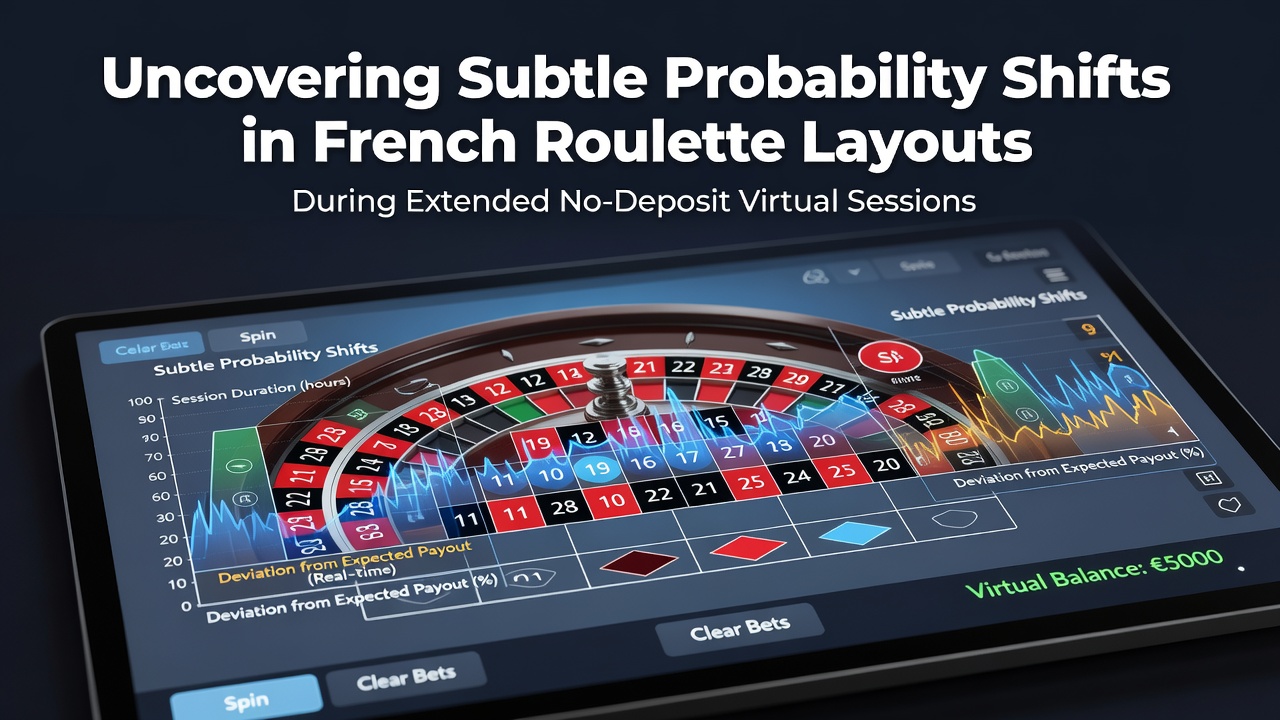
Uncovering Subtle Probability Shifts in French Roulette Layouts During Extended No-Deposit Virtual Sessions
French roulette features a single zero layout with specific betting options such as voisins du zero and orphelins, and these elements create distinct probability structures compared to American or European variants, while extended no-deposit virtual sessions allow players to observe patterns over thousands of spins without financial risk.
French Roulette Layout Mechanics and Virtual Implementation
Virtual platforms replicate the physical French roulette wheel through certified random number generators, and these systems map outcomes to the 37-pocket layout that includes numbers one through thirty-six plus zero; researchers have documented how the en prison and la partage rules modify the house edge on even-money bets, producing expected returns of 1.35 percent under standard conditions.
Data from independent testing laboratories shows that virtual French roulette maintains these probabilities across short sessions, yet extended play introduces opportunities to examine cumulative distributions, and analysts track deviations by logging every outcome in demo environments that require no initial deposit.
Analyzing Extended Sessions for Statistical Patterns
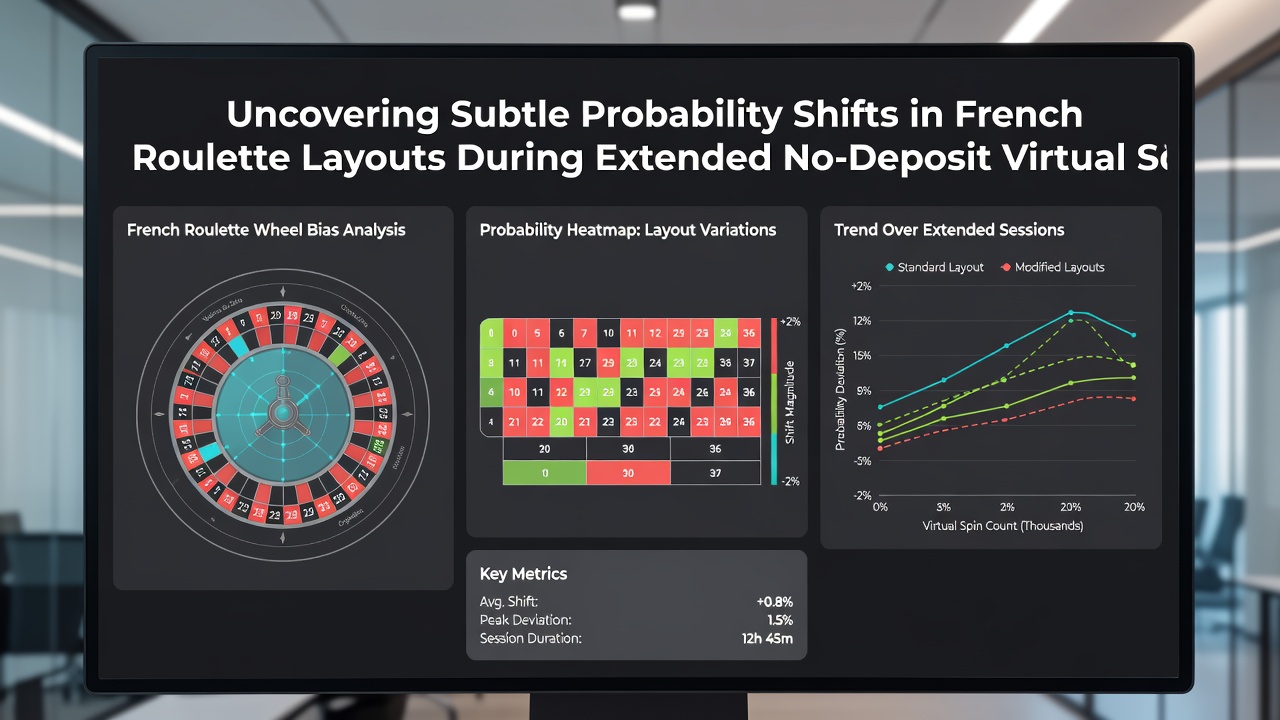
Observers note that sessions spanning ten thousand or more spins reveal minor fluctuations in hit frequencies for specific sectors, such as the voisins du zero bet covering seventeen numbers; these variations align with the law of large numbers, but computational models demonstrate how pseudo-random sequences can cluster in ways that temporarily alter observed probabilities before reverting to theoretical means.
Studies conducted by academic institutions in Australia have examined similar virtual environments, and findings indicate that layout-specific bets experience probability shifts of less than 0.5 percent in most documented cases, while longer runs expose these movements more clearly through chi-square testing and standard deviation calculations.
Role of No-Deposit Modes in Pattern Observation
No-deposit virtual sessions provide unlimited access to French roulette without wagering requirements, and this setup enables continuous data collection that would otherwise require repeated deposits in real-money play; platforms record spin histories that users can export for external analysis, creating datasets that highlight subtle differences between theoretical and realized outcomes.
Regulatory bodies in the European Union require operators to publish RNG certification details, and these reports confirm that virtual wheels undergo periodic audits to verify fairness, yet the same documentation acknowledges that finite computational precision can introduce negligible biases over extremely long sequences.
September 2026 Developments in Virtual Gaming Analysis
In September 2026, the International Association of Gaming Regulators released updated guidelines on virtual game monitoring, and these standards emphasize enhanced logging requirements for extended demo sessions; several testing agencies now recommend tracking sector probabilities in French roulette layouts to identify any persistent deviations beyond expected random variance.
Reports from Canadian research centers have incorporated data from no-deposit environments, and the results show that probability shifts tend to diminish when session length exceeds fifty thousand spins, confirming the stabilizing effect of increased sample sizes on layout-specific outcomes.
Conclusion
Extended no-deposit virtual sessions in French roulette allow systematic examination of layout probabilities, and available evidence from regulatory audits plus academic studies demonstrates that subtle shifts occur within predictable bounds set by random number generator design; continued monitoring through standardized testing protocols will provide further clarity on these dynamics as virtual platforms evolve.