Sensory Design Elements Shaping Engagement Patterns in Complimentary Digital Wheel Experiences
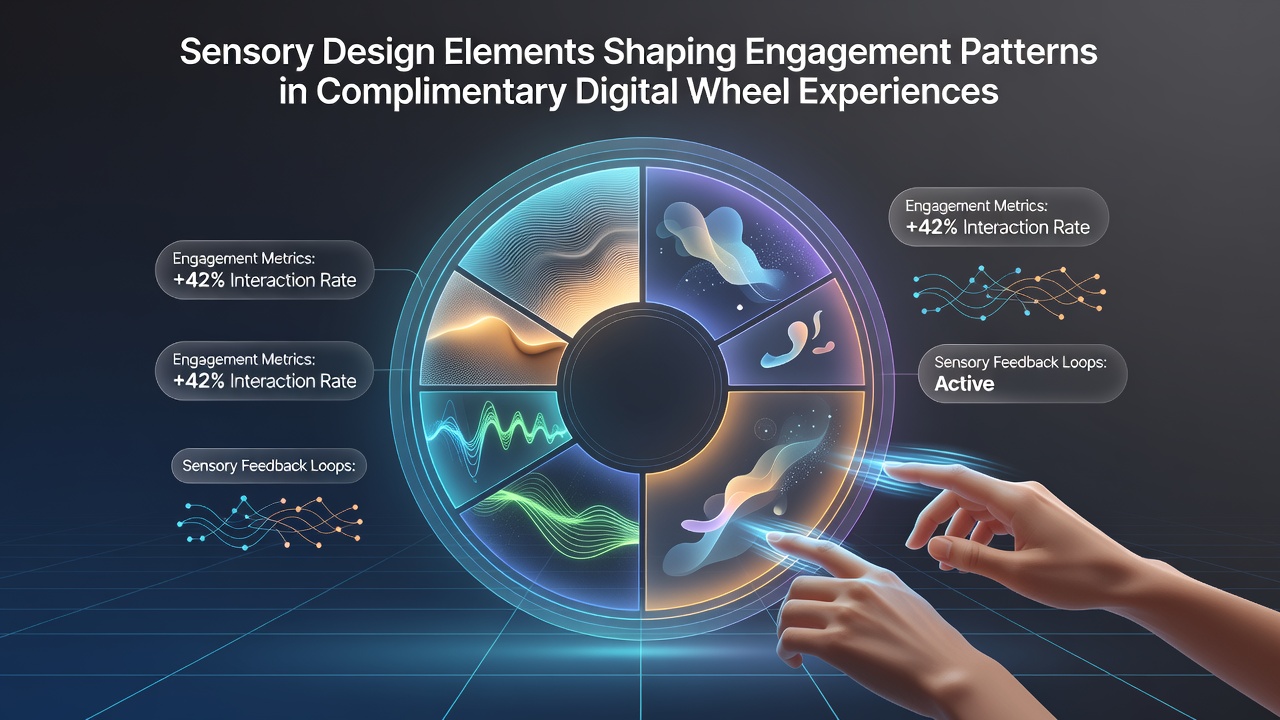
Digital wheel platforms that offer complimentary access have incorporated sensory design features to influence how users interact with spinning mechanisms and outcome displays, and these elements combine visual cues, auditory signals, and tactile responses in coordinated sequences that researchers track through engagement data across multiple sessions.
Color palettes in these experiences often feature high-contrast gradients and shifting saturation levels that draw attention to specific wheel segments during rotation, while particle animations and light flares activate upon each spin result, and platforms record extended dwell times when such effects align with user selection patterns according to metrics compiled in industry reports from the American Gaming Association.
Visual Components and Their Role in Sustained Interaction
Design teams apply principles of visual hierarchy through layered backgrounds that transition from neutral tones to vibrant accents as wheels decelerate, creating focal points that guide eye movement without disrupting the overall flow, and studies from the University of Nevada's International Gaming Institute have documented how these transitions correlate with repeated spin initiations in deposit-free environments during late 2026 testing periods.
Animation timing plays a measurable part as well, with frame rates calibrated to match natural eye tracking speeds so that ball trajectories and wheel segments remain legible throughout deceleration phases, and this synchronization reduces visual fatigue while maintaining user attention across longer sequences of play.
Auditory Layers That Reinforce Outcome Recognition
Sound design in complimentary wheel platforms layers mechanical clicks, rising tonal builds, and distinct chimes that correspond to different prize categories, and these audio markers activate in precise synchronization with visual stops to reinforce memory associations for particular results, while data collected through November 2026 shows platforms using adaptive volume scaling based on session duration achieve steadier repeat engagement rates.
Ambient tracks often incorporate subtle frequency modulations that shift in response to wheel speed, providing an auditory backdrop that avoids monotony yet stays secondary to primary spin sounds, and audio engineers calibrate these elements against user retention figures supplied by European gaming research consortia that monitor cross-platform behavior.
Haptic and Multi-Sensory Integration Patterns
Mobile and tablet versions transmit vibration patterns that escalate in intensity as wheels slow, delivering distinct pulse sequences for near-miss outcomes versus clear wins, and this tactile dimension extends engagement by creating physical feedback loops that complement the visual and auditory streams already present on screen.
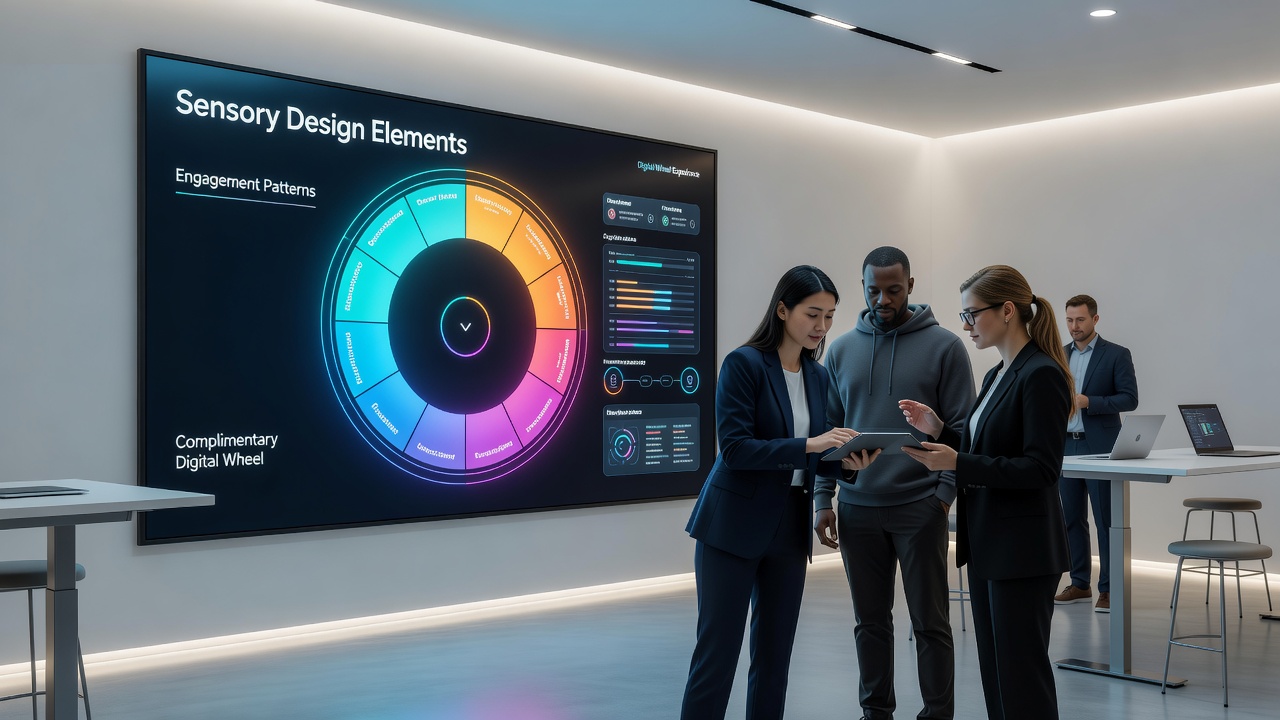
Integration occurs when haptic pulses align with both color flashes and audio peaks, producing a unified sensory event that platforms measure through interaction logs showing increased sequence completion rates, and observers note that such coordination appears more frequently in updates rolled out across North American and Australian digital offerings by the close of 2026.
Data Patterns Across User Sessions
Analytics platforms capture how sensory combinations affect spin frequency and total session length, revealing that users exposed to synchronized multi-sensory feedback maintain activity levels higher than those using simplified interfaces, while figures released through Canadian regulatory summaries indicate these differences hold steady across demographic segments participating in free wheel simulations.
Seasonal adjustments to sensory intensity, such as brighter palettes or richer audio layers introduced around November 2026, have corresponded with measurable upticks in daily active participation on several major complimentary services, and these modifications undergo testing against baseline engagement metrics before full deployment.
Conclusion
Collective evidence from design implementations and performance tracking demonstrates that sensory elements in complimentary digital wheel experiences operate as interconnected systems rather than isolated features, shaping how users progress through sequences of spins and return across multiple visits, and continued refinement of these components continues to draw from aggregated interaction data collected through established gaming research channels worldwide.